WAMIMBIKI GR
Wami-Mbiki Game Reserve is an emerging conservation and ecotourism destination located between Tanzania’s Coastal and Morogoro regions. Covering approximately 2,466 km², the Reserve established in 1998 through a partnership involving 24 surrounding villages as the Wami-Mbiki Wildlife Management Area, then officially upgraded to a Game Reserve in June 2021. The reserve is characterised by diverse wildlife, rich biodiversity, scenic landscapes, and a variety of natural and cultural attractions that offer significant potential for sustainable tourism development.
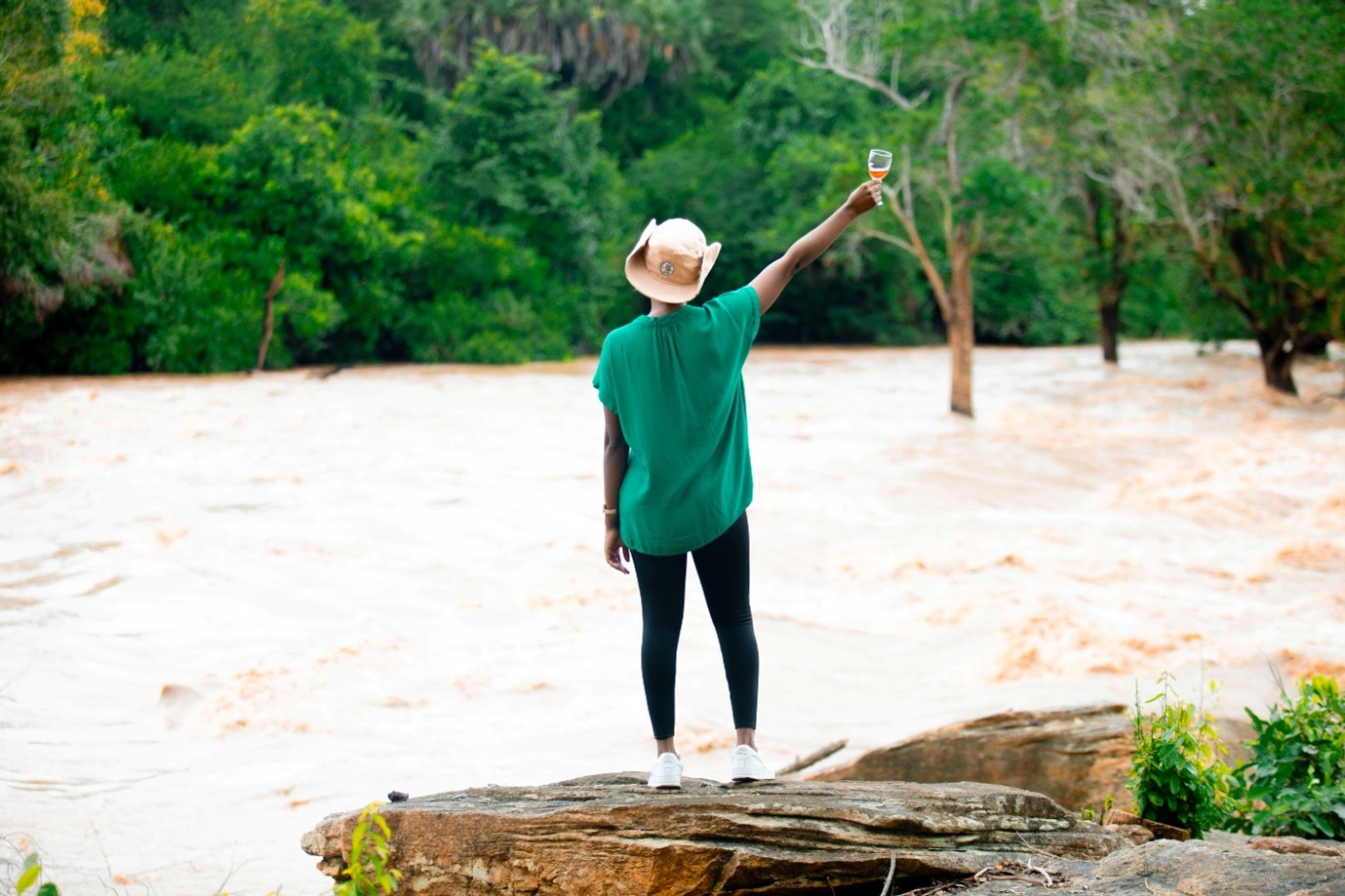
One of Wami-Mbiki’s distinctive features is the permanent Wami River, which supports aquatic wildlife, including hippos, crocodiles, and fish, while creating opportunities for river-based recreation and nature experiences. The reserve’s diverse habitats, including miombo woodlands, riverine forests, and bushlands, support wildlife such as elephants, lions, leopards, buffaloes, giraffes, zebras, and numerous antelope species, alongside diverse birdlife. Its natural and cultural heritage, including 70km slave trave route and Jiwe la Msikiti site used for worship during slave trade era, further enriches its tourism potential
The reserve offers the following tourism activities;
Game drive: This is conducted in various areas along the reserve starting from 06:00hrs to 18:00hrs throughout the year. The Wami river frontage provides the best wilderness experience to visitors for photo tourism.
Sport fishing: The Wami river has tiger fish and giant catfish, which are attractive to an enthusiastic fisherman and offer a lifetime experience to visitors.
Canoeing: Wami river offers the best canoeing experience from the western boundary to about 40km long.
Waliking safaris: The reserve has suitable habitats and terrain for guided walking safaris.
Night game drive: This offers a scope to see the more shy, nocturnal predators.
Tour to scheduled cultural shows: The villages adjacent to the reserve offers a mix of cultures. Each could put on cultural show like Maasai dancers. Visit to historical and cultural sites in the villages will add value to a visitor and enhance community socio – economic values.
Bird watching: The reserve has diverse bird species ranging from under canopy, Woodland and raptors to water birds that offers a unique experience to visitors.
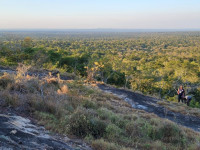
Hiking: The reserve has undulating hills which provides ideal places for hiking
Wildlife: Wamimbiki Game Reserve has diverse wildlife species, including Greater Kudu, Elephant, Buffalo, Hippos, Zebra, Impala, Waterbuck, Duiker, Yellow baboon, Velvet monkey, Bush pig, and a significant population of carnivores such as Lion, Leopard, Hyena, wild dog and Crocodile along Wami river. Also, the reserve harbors’ some of IUCN listed species of rare and threated plants such as Dalbergia melanoxylon and Pterocarpours angloensis.
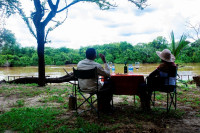
Wami River system: The river is a permanent water source within, regarded as a lifeline for wildlife in the reserve. It supports abundant and diverse bird life, Fish, Hippos, crocodiles and a well-preserved riverine forest. Also stand as an important biological asset where by animals depend on for fresh water and high-quality forage. Wami river support a range of tourism activities like canoeing and sport fishing for tiger and giant catfish.
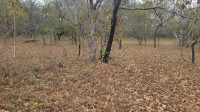
Mosaic of different vegetation communities: The reserve functions as an ecotone for the three biome – restricted species assemblages of Somali-Masai, East African Coast and Zambezian Eco regions. The resulting biota contains majority of the arid adapted, Miombo woodland and coastal species including large trees ranging from Albizia, Brideria, Brachstegia, Jurbenadia to Acacia.
Historical attractions: The reserve harbors’ various sites used for rituals, sacred and Historical purposes. The areas are considered to have special spiritual qualities to communities living adjacent to the reserve. Such areas include big stones, Spring, A footstep on a big stone, Swamps, Trees, Streams, Forest, Burial sites, Caves and Historical attractions like Jiwe la Msikiti that resembles an Islamic religious symbol (Kibra) and a the 70km long road which is a part of central slave and ivory trade route.
Wami-Mbiki Wildlife Park experiences a tropical climate, with seasonal variations influencing vegetation, wildlife movements, and visitor experiences.
Dry Season: May–January: The drier months generally provide favourable conditions for outdoor activities and wildlife viewing.
Green Season: February–April: The rainy season transforms the landscape into a lush, vibrant environment, creating a distinctive experience for nature lovers and photographers.
Wami-Mbiki Game Reserve is accessible from major transport hubs in Tanzania, making it a potential addition to itineraries connecting Dar es Salaam and Morogoro.
By Road: Approximately 150 km from Dar es Salaam and approximately 62 km from Morogoro.
By Standard Gauge Railway (SGR): Approximately 45 km from Ngerengere SGR Station and Approximately 65 km from Morogoro SGR Station. Note: Visitors travelling by train can arrange onward road transport to the reserve.
By Air: International visitors can arrive through Julius Nyerere International Airport in Dar es Salaam and continue by road. Access by charter aircraft may also be considered where suitable arrangements.
Phone: +255 (0) 781406910-11
Email: visit.wamimbiki@tawa.go.tz
WAMIMBIKI GR Gallery